Thursday, July 16, 2020

What Does it Take To Be A Physical Therapist?

If you ask a physical therapist how they got involved with the profession, many people may be surprised to discover that there are multiple paths to physical therapy. Overall, everyone has to complete similar graduate schooling, but the backgrounds coming into graduate programs vary, which is what makes the profession unique. 

For a good number of us, we played sports growing up and injured ourselves and that was the introduction to the field. From there on we pursued undergraduate studies that would apply to the medical field i.e. biology, exercise science, pre-med. But for some, they have degrees in business, finance, sports management, psychology, etc. and the lack of passion with their original careers led them to pursue a graduate program in Physical Therapy. 

What Happens When Applying to a Physical Therapy Program?

While every program has slightly different qualifications, the main aspects overlap. 

  1. Pre-requisite classes: All programs require some combination of pre-requisite courses, with biology, anatomy and physiology, chemistry and physics making up the majority. So if the applicant is a career changer and didn’t take those classes with their undergrad degree, they may need to supplement their transcript prior to applying. 
  2. Clinical hours: Admission boards want to ensure applicants know what they are getting themselves into prior to entering the program, therefore most require shadowing clinical hours in more than one setting i.e. hospital, outpatient clinic, skilled nursing facility, etc. 

What Happens Once You Get In?

Selecting a program that is CAPTE (Commission on Accreditation of Physical Therapy Education) approved is crucial, meaning the program is up to standards set by the US Department of Education. Students then spend 2-3 years learning the ins and outs of the medical field, obtaining knowledge to be applied across the continuum of care and being tested on our clinical skills. Whether clinical internships are spread throughout a program or concentrated at the end, all programs require students to perform selected clinical internships in different settings to prepare them for autonomous practice. 

What Comes After Graduation?

Once someone graduates as a physical therapist, the learning doesn’t stop. All physical therapists must pass a national licensing exam and a jurisprudence exam based on the laws and regulations of the state they are applying to be licensed in. A PT must complete at least 30 hours of continuing education every two years in order to be eligible for licensure renewal. 

Overall, most PT’s have spent 6-7 years of schooling in order to earn their Doctorate of Physical Therapy and procure the knowledge to evaluate and treat patients in a safe and productive manner. They are all aware that the learning doesn’t stop there, and most strive to take in all of the new research and incorporate it into their practice as appropriate. 

If you or anyone you know is interested in a career in Physical Therapy, feel free to reach out and we’d be happy to answer questions or set up clinical shadowing time!

Contact Us

The post What Does it Take To Be A Physical Therapist? appeared first on FX Physical Therapy.


Thursday, July 9, 2020

Keeping Your Cool This Summer

The increasingly longer days and rising temperatures can only mean one thing—Summer’s fast approaching. With sun tans and barbecues come the increased risk for heat-related illnesses. It’s important to be aware of warning signs and what to do if you see them, especially for those of us who love to exercise outside and spend time in the sun.

Your body is working hard at all times to keep your body temperature just right so that your cells stay alive, healthy, and working the way they’re supposed to. Just like a thermostat, if your temperature starts to drop or rise, different processes kick in to bring it back to normal. When you start to get too warm, an area in your brain detects an increase in the temperature of your blood and reacts by telling the blood vessels near your skin to dilate or widen. That allows more heat to escape by radiating out of your body and, often, through sweating. 

Under some conditions, the mechanisms your body has for releasing heat just aren’t enough. You may be at risk for overheating.

Common Heat-Related Illnesses:

  1. Heat cramps
  2. Heat exhaustion
  3. Heat stroke

Heat Cramps:

Heat cramps are painful, involuntary muscle spasms that may happen during or after physical exertion in the heat. They generally develop quickly in the legs and abdomen. Caused by loss of fluids and electrolytes in the muscles, they are most likely to occur in those who sweat excessively during strenuous activity. It doesn’t even have to be very hot for heat cramps to occur. Although your body temperature may be normal, heat cramps can be an indication that a more severe heat illness is developing, so you should take them seriously. If you or someone you know experiences these, the most important thing to do is to reduce the cramps ASAP. Stop activity and rest. Drink fluids and do some gentle massage and light stretching on the cramped muscles to ease the discomfort. Since further exertion can lead to heat exhaustion or heat stroke, you should also avoid really strenuous activity for a few hours after the cramps subside. And if the cramps don’t get better within an hour, make sure to seek medical attention.

Heat Exhaustion:

Heat exhaustion is more serious on the spectrum of heat illnesses. It’s caused when fluid lost through sweating is not replaced enough by drinking. When your body starts to get low on fluids, it pulls blood away from the surface of your skin, so you can’t release heat the way you normally would. Then your internal core temperature will begin to rise more. Heat exhaustion is essentially a warning that your body is getting too hot and that you need to do something to bring your temperature down. It occurs most often in those doing physical activity in hot environments—firefighters, construction workers, athletes etc. But even just being overdressed in a hot and humid environment can lead to heat exhaustion.

Signs and symptoms of heat exhaustion:

  • Cool, moist, pale/ashen or flushed skin
  • Weakness
  • Dizziness or light-headedness, possible fainting
  • Rapid, weak pulse
  • Shallow breathing
  • Heavy sweating
  • Nausea
  • Possible muscle cramps

If you experience these or see someone else with these symptoms, move to a cooler area ASAP because if left untreated, this can escalate to heat stroke pretty quickly. Remove extra layers of clothing and apply cool, wet towels on your skin. A cool shower will also do the trick if available. Cold packs applied to wrists, ankles, armpits, the groin, and the back of the neck will help to cool you down quickly as well. While cooling down, it’s important to rehydrate with cool fluids, but sip at a slow regular pace rather than gulping the liquid down so you don’t risk causing yourself to vomit. It’s also recommended that you avoid intense exertion in the heat for a full day after recovering from heat exhaustion. 911 should be called if a person experiencing heat exhaustion doesn’t improve after several minutes, refuses to drink water, vomits, begins to lose consciousness or shows other signs of heat stroke. 

Heat Stroke:

The most severe heat-related illness is heat stroke. It can be life-threatening and is actually the 3rd leading cause of death among high school athletes. At this point, your body is overheated, often over 104 degrees F, and no longer able to cool itself down. Classic heat stroke is normally caused by the environment and therefore most often occurs during the summer. It can develop slowly is most often seen in those most vulnerable (babies, young children, elderly, and people with chronic medical conditions) and those in poorer areas with limited access to air conditioning. On the other hand, exertional heat stroke occurs when excess heat is created through exercise and exceeds the body’s ability to cool itself off. This type mostly affects younger active individuals such as athletes, military recruits, and heavy laborers.

Signs and symptoms of heat stroke:

  • Tell-tale sign is that they’re no longer sweating (note- skin may still be wet from prior exertion, so if you suspect heat illness, dry the skin and see if sweating continues)
  • High body temperature
  • Skin hot to the touch and red
  • Rapid strong pulse
  • Shallow breathing
  • Throbbing headache
  • Dizziness
  • Nausea and/or vomiting
  • Altered mental status- confusion, disorientation, irrational behavior, can’t pay attention
  • Unconsciousness
  • Convulsions or seizures

Because of the confusion that can come from heat stroke, you’re more likely to recognize this in someone else than yourself, so keep an eye on your friends and have them do the same in return. If someone is suspected of experiencing heat stroke, call for an ambulance immediately. Then start rapidly cooling them off—the faster you can bring their temperature down, the better the outcome. The best way to cool someone down is to immerse them in cold water up to their neck, but stay with them so there’s no risk of the person passing out while in the water. If a tub or body of water isn’t available, cover the person with ice water-soaked towels or bags of ice. Focus on the wrists, ankles, armpits, groin, and the back of the neck. Rotate the towels frequently as they warm up. If the person is able to, have them slowly sip on cool water. Continue cooling efforts until their body temperature drops to about 101 (If you don’t have a thermometer available, continue them for about 20 minutes or until their level of consciousness improves). In reality, an ambulance should arrive before you reach 20 minutes. But note that even if the person starts to feel better, they still need to get checked out at the hospital. 

There are a number of factors that influence your risk of heat-related illness. The obvious one is climate. The higher the heat index, the more difficulty your body has cooling itself down through the normal means. There’s actually something called the “urban heat island effect,” in which urban centers are much warmer than the surrounding rural areas because they have more concrete and asphalt. So being in a more man-made environment can increase your chances for heat illness. Activity level is also a major factor since exercise and work raise your body temperature. And it’s pretty clear that dehydration level plays a role in each of the heat-related conditions. The less fluid you have in you, the less your body can cool itself off. Certain foods can influence your risk in this same way. Those with alcohol, caffeine, and carbonation can have a diuretic effect, causing you to eliminate more water through urine. Age is another important consideration. Those under 5 and those over 65 can’t regulate their body temperature as effectively. People with certain conditions such as diabetes, obesity, heart disease, and mental illness may be at higher risk as well. And finally, certain medications for heart problems, antihistamines, decongestants, and some medications for depression can make someone more susceptible to heat-related illnesses. 

Overall, the good news is that these conditions are generally preventable.

Tips for avoiding heat-related illnesses:

  • Avoid strenuous activity outside during the hottest part of the day, especially when the heat index is 90+. Aim for the morning or evening hours when the sun isn’t as strong if possible.
  • Wear lightweight, loose, light-colored clothing and a hat
  • Take frequent breaks and take it easier in the heat. Don’t overexert yourself.
  • Drink plenty of cool fluids. It turns out you can lose around 30oz of sweat in an hour of exercise. And start hydrating in advance when possible. Drinks with some electrolytes like sports drinks or coconut water can help. Otherwise pair water with some lightly salty snacks to help retain the water. 
  • Don’t wait until you’re thirsty to rehydrate—at that point you’re already dehydrated. 
  • Avoid beverages with caffeine and alcohol when out in the sun—these can make it harder to regulate your temperature.
  • Never leave a child or older adult in a hot car for any amount of time.

Being able to recognize the risk factors and signs of heat-related illness is important for any athlete, coach, or outdoor-lover. And knowing what to do in the event that you experience it or see it in your friend is just as important.

A little side note: Don’t forget our pets can experience heat stroke too! Make sure they have plenty of water and some shade to rest in outdoors, and never leave them in a hot car for any length of time. If they seem distressed and panting like crazy, get them out of the heat and cool them off with a hose or in the bathtub.

The post Keeping Your Cool This Summer appeared first on FX Physical Therapy.


Friday, July 3, 2020

Best Hiking Destinations Near Baltimore, Maryland

Feeling grid-locked by city life in Baltimore? While Charm City is certainly charming, sometimes we all need a little escape to nature. We look for something far away from parallel parking, noisy row home neighbors, and squeegee kids. 

There’s a lot of science to back these feelings as well. According to BBC, a meta-analysis of 20 pieces of research conducted over the past 35 years shows people in cities suffer from mood disorders and anxiety at a disproportionately high rate. This is likely due to increased pace of life and stimuli, pollution, and less input from nature which helps downregulate our brain activity. 

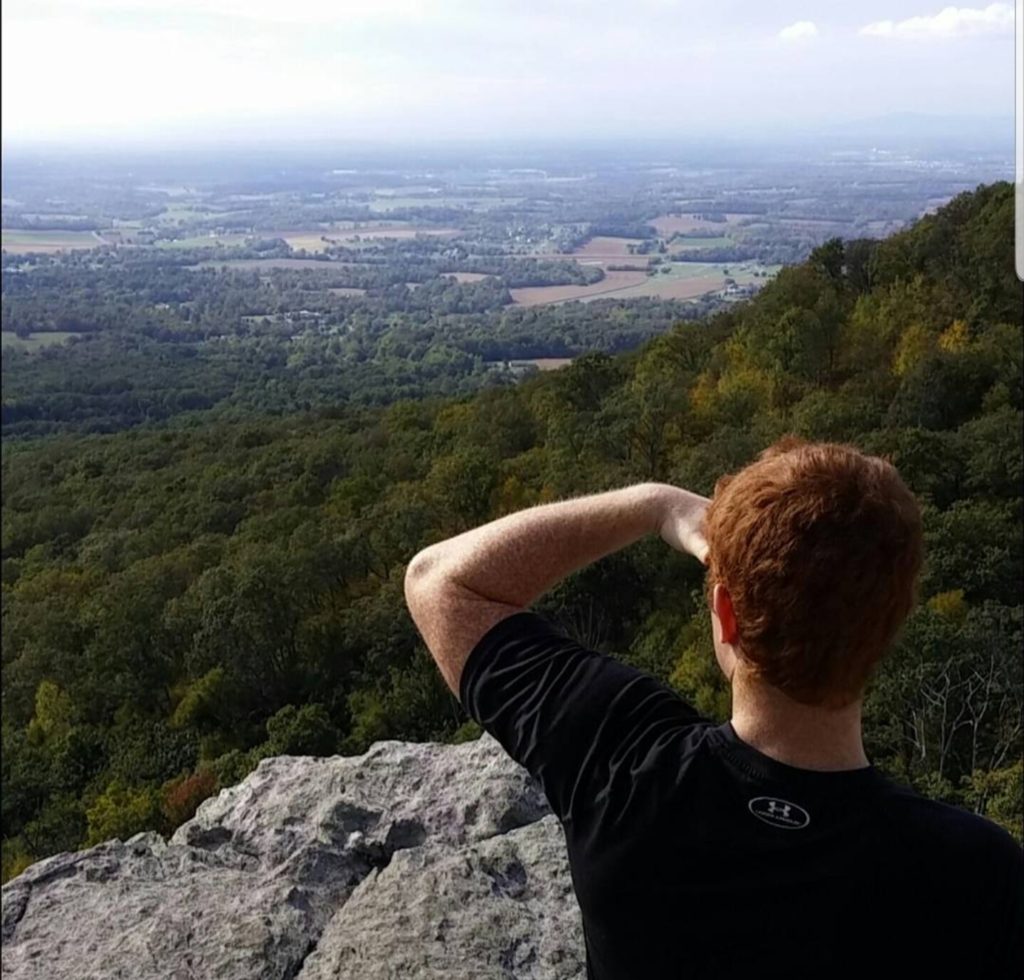
Here are our 5 favorite nearby trails for easy to moderate hiking or walking ~30 minutes from Baltimore City to get some fresh air and reset.

  1. Patapsco State Park
  2. Baltimore Annapolis Trail
  3. NCR Trail
  4. Gwynns Falls Trail
  5. Loch Raven Reservoir 

Faith Reilly PT, DPT

ACSM Certified Exercise Physiologist, EXOS Performance Specialist

The post Best Hiking Destinations Near Baltimore, Maryland appeared first on FX Physical Therapy.


Monday, June 29, 2020

How To Make The Most of Quarantine Life:


How to make the most of quarantine life:

What day is it? Is it the weekend? Do weekends even exist anymore? When will I get back to normal life? What is normal?

These are some of the questions going through my head on a daily basis and I am sure I am not the only one. 

Life these days is a little bit like going through the drive thru car wash, but not being able to put your windows up. Things are getting thrown at you from every direction. You have no power to stop it, no idea when the end is coming, but you know it will…at some point. The best you can do is try to protect yourself and those in the car with you. 

So you, my friends reading this, are the ones in the car with me and I will do everything in my power to make sure we make it out of this car wash as better versions of ourselves. We will go over how to make the best out of this quarantine life and come out the other side a stronger person!

Below are some examples of things we can do to MAKE THE MOST OUT OF QUARANTINE! 

  • Try something new
      • Have you always wanted to (enter your goal here!). WELL GO FOR IT! For me it was barre classes. As someone who is self conscious about being bad at something, the privacy of my living room was the perfect time to start learning the basics. If there is a silver lining to quarantine life, it’s that there are so many fitness instructors and platforms offering FREE classes. SO TAKE ADVANTAGE!
        • If you need inspiration, reach out! We can recommend a ton of trainers and other fitness professionals to follow on social media based on your interests!
  • Do your home exercise program (like actually do it)
      • For those of you that are in PT or have ever been in PT, now is the perfect time to actually do your home exercise program. If you are working from home, there are really no excuses. Turn your old commute time into you time! The last thing you want during this quarantine is for an old injury to flare up. Use this time to better yourself. If you forgot your HEP, reach out to us! We are here to help in any way we can!
  • Set daily movement goals
      • One of the most common PT phrases is “motion is lotion”. During this work from home time we are likely way more sedentary than we realize. There is no longer the long walk to the bathroom. The mid-day coffee run. Definitely no walk across the building to meet a friend for lunch. 
      • Your goal can be a certain step count per day. Or an every hour on the hour exercise. It could even be as simple as alternating sit and standing periods at your computer. Just make a goal and stick to it (and then vary it day to day so you don’t get bored!)
      • The human body isn’t meant to sit for long hours day after day, especially at our makeshift work from home offices. (looking at you, friend that is working from your couch!) Subscribe to the motion is lotion theory and keep yourself moving!
  • Find an accountability buddy
      • Sometimes finding the motivation or creating a new habit can be challenging so phone a friend! Use this person to help you reach your movement goals. And you help them meet theirs! Challenge them to a weekly step competition. Let them inspire you to try a new workout class. Reach out to your favorite personal trainer and take a quarantine “group” class together. 
      • Find your team (#quaranteam) and help each other! Even though we aren’t face to face, we can still be each other’s support.
  • Take time for yourself
    • I know this one is weird since we are basically always by ourselves. But here is what I mean. Right now we are all in the middle of that crazy car wash with the windows down and sometimes we just need to take a step back. Find even just a few minutes to reset. Your mental health is just as important as your physical health during these times of higher stress. Whether you use an app to meditate or you dance around your kitchen to your favorite song or you just sit in silence and decompress. Whatever your reset is, do it and don’t be afraid to step away from the stress when you need it and dance like no one is watching (because honestly, no one is watching… other than maybe your roommate or your pet!)

Get inspired and go crazy my friends! Try something new, do your PT homework, set a movement goal, find an accountability buddy, and last but certainly not least, take time for yourself! We will make it through this quarantine together and we will be stronger people on the other side!

We would love for you to tag us in your instagram stories about things you are doing to make yourself better during this quarantine @fxphysicaltherapy #makeyourselfbetter #bettertogether #quaranteam #theonlywayisthrough

The post How To Make The Most of Quarantine Life: appeared first on FX Physical Therapy.

Sunday, June 14, 2020

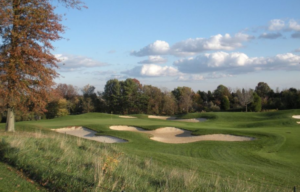
The Top 10 Public Golf Courses in Baltimore

The Baltimore metropolitan area is one of the elite locations along the east coast to play high-quality golf. Its Mid-Atlantic location presents the ideal weather for any golfer, with a cooler summer than more southern states, and longer, crisper autumns, compared to the much colder states to the north. Most years, you can play year-round at any of the incredible, challenging golf courses that circle Baltimore’s urban hub. 

The city is surrounded by some of the finest private golf and country clubs in the region, such as Baltimore Country Club (Five Farms) and Caves Valley Golf Club, which is set to host the BMW Championship of the FedEx Cup Playoffs in 2021. However, for those who are just visiting the area, or for the golfers on a budget, here are my top 10 public golf courses in the Baltimore area. Please keep in mind that this list is constantly changing and evolving! And, feel free to comment with your personal favorite courses.

10. Fox Hollow Golf Course (Baltimore County Golf): Lutherville-Timonium

Fox Hollow is a relatively forgiving course with wider fairways and opportunities to score well left and right. It’s listed as a 6,129 yard par 70 from the tips and plays every bit of it. Number 12 is a lengthy 614 yard par 5 that swirls out around the driving range. Speaking of, Fox Hollow is known for its state-of-the-art practice facility, that includes driving range, wedge target course, pitching and chipping green, and three practice putting greens. It was recently named a top 50 practice facility in the country by the GRAA.

9. Compass Pointe Golf Courses: Pasadena

Compass Pointe boasts 36 holes sprawled out over two fantastic 18-hole courses, as well as a driving range, bountiful pro shop, and Bogey’s Grill. The North-East course is a long, challenging par 72. It spans over 7,134 yards, highlighted by the 622 yard par 5 9th. Rumors here often circulate that there was “one guy” that was able to reach the green in two. Although, Natty Bohs seem to blur some memories on how high the wind was that day, or if the hole was redesigned altogether since then, or if it was the same day that group saw Bigfoot in the woods.  The South-West course is a narrow challenge with scoring opportunities for golfers of all skill levels. It is a par 72 6,979 yard course that requires accuracy and precision.

8. Rocky Point Golf Course (Baltimore County Golf): Essex

With some of the most breathtaking views you will find in the Baltimore area, Rocky Point is one of the most picturesque, yet challenging courses around. Surrounded by preserved natural wetlands, this 6,650 yard par 72 course is a completely fair challenge for golfers of all skill levels. The front 9 plays out with fairways  lined with trees, while the more scenic back 9 challenges you against the water. One of my favorite par 3’s on this list is the 11th, which is a soft wedge down a hill with a picturesque view of the Chesapeake that will have your foursome challenging each other for closest to the pin.

7. The Woodlands (Baltimore County Golf): Windsor Mill

The Woodlands is a challenging test for all golfers. Undulating greens cap off long bent-grass fairways lined with hardwood trees. It’s one of the more difficult of the BCG courses, setting up over 7,000 yards. It’s practice facility is pristine with a driving range, wedge target course, practice bunker, pitching/chipping green and two practice putting greens. It also shares a clubhouse with Diamond Ridge Golf Course, another fantastic BCG course, which is an honorable mention for this list.

6. Mountain Branch Golf Club: Joppa

Mountain Branch plays host to many of Maryland’s Amateur Qualifiers, and for good reason. Sprawling over 264 acres in Harford County, the course has received many accolades for its beautiful layout and difficult play. The course plays over 7,000 yards and offers elevation changes, water trouble, and rolling greens.

5. The Timbers at Troy: Elkridge

The land’s history is rich, dating back to the 1600s and through the Revolutionary War. Following an update in the winter of 2016-17, the Timbers at Troy challenges golfers with every shot, causing an internal war with yourself. Rolling hills and pristine bunkers force golfers to remain precise, yet long. The 6650 yard par 72 is highlighted by the treacherous “Timbers Amen Corner” from holes 9-12. This brutal stretch is one of the most difficult in the area.

4. Pine Ridge Golf Course (Classic Five): Lutherville-Timonium

Pine Ridge offers some of the best water views that any Baltimore-area golf course can offer due to its location on Loch Raven Reservoir. Over the years, it has hosted numerous PGA and LPGA events, including Nancy Lopez’s second tournament win ever. It plays over 6,800 yards and is highlighted by long par 5’s and narrow fairways lined by tall pine trees. It offers an excellent driving range, as well, and plays host to the golf education of many of the area’s top junior players.

3. Mount Pleasant Golf Course (Classic 5): Baltimore

“That’s it, I quit.” We’ve all said this during a round of golf before, maybe multiple times per round, but this famous sentence was uttered by the great Arnold Palmer after he yanked his tee shot over Hillen Road, which runs parallel to Mt. Pleasant’s first fairway during the Eastern Invitational in 1956. The King went on to win the tournament for his second US victory on tour. Mt. Pleasant golf course oozes tradition. From the clubhouse to the course, it’s a spectacular and fun challenge within Baltimore’s city limits. Winding, narrow fairways and subtle elevation changes challenge golfer’s as the approach flawless, yet slippery greens. At 6,700 yards, the par 71 course has a fun front 9 that sucks you in before a tight, difficult back 9 spits you out. Mt. Pleasant is sure to offer golfers a good time and a bit of nostalgia.

2. Greystone Golf Course (Baltimore County Golf): White Hall

Greystone was designed by Joe Lee, the designer of Doral’s famous Blue Monster. The course offers a unique 5 par 3’s and 5 par 5’s. 80 bunkers, 7 ponds, and 140 feet of elevation change highlight this difficult test, which plays all of the 6,900 yards. It is highlighted by the sneaky par 3 eighth, which often presents a sucker pin on a green downhill next to some water. and a “longer than it looks” brutal uphill 9th that is a grueling test forcing you to earn your beer at the turn. It’s listed at 446 from the tips, but goes straight uphill to the amazing clubhouse with plenty of trouble on the left and multiple bunkers protecting the green ready to swallow up your approach. The course also offers a driving range, large practice putting green, and a 50 yard simulated fairway into a chipping/pitching practice green.

1. Bulle Rock Golf Course: Havre de Grace

Bulle Rock is a Pete Dye-designed course named for the first thoroughbred stallion to ever be brought to the US. This thoroughbred of a golf course has been voted #1 in Maryland and a top-50 course in the United States. Bulle Rock plays out at a lengthy 7,375 yards and offers a challenging, yet fair test to all golfers. Sloping fairways and thick, unforgiving rough set up to slick greens that offer a test for golfers. Extremely long par 5’s will make even the longest hitters sweat, while challenging par 3’s and tricky 4’s complement the course so well. A round at Bulle Rock will leave you speechless. 

The post The Top 10 Public Golf Courses in Baltimore appeared first on FX Physical Therapy.


Friday, June 12, 2020

Mountain Bike Set Up: Reduce Pain and Discomfort on Long Rides. 

By Dr. Colin van Werkhoven, PT, DPT, CSCS 


Saddle Height:

The height of your seat is very important when it comes to pedalling efficiency and power output when out on the trail. If your seat height is not fit to your body correctly, it could also lead to numbness in your feet, or pain around your knees and hips. If you are overreaching for your pedals, your hips will rock back and forth on your seat causing unnecessary stress on your muscles, nerves, and tendons. This stress, which could last over hours depending on the type of ride you are doing, can have negative side effects in the long term on your health and riding capabilities. Research shows that a 10-15 degree bend in your knee at the lowest position of the pedal stroke allows for the most consistent power output, while also reducing stress on the structures of your leg. 


Handlebar: 

There are a lot of different variations of handlebars out there – before you change material or width, make sure you have them set up correctly. Different handlebars have varying degrees of sweeps and rise – however the common denominator is your wrist positioning. The strongest long term position for your wrist is a straight (or neutral) position. This gives your arm the best mechanical advantage without relying completely on the musculature of your forearm to hold you in a flexed or extended position. The rule of thumb to make sure your wrist is in a neutral and strong position is you should be able to draw a straight line from your shoulder to your index finger on your brake lever. 


Reach: 

This measurement is based on the relative distance between your bottom bracket and your stem. On modern mountain bikes, reach is an incredibly important measurement for bike fit, mechanics, and your most common type of riding. However, after you buy your frame there is only one way to manipulate this variable – adjusting your stem length. Be cautious with making too drastic of a change because this can affect the handling of your bike dramatically at times. This positioning setup is not as straightforward compared to the two previous adjustments. If your reach is too long on your bike you are more likely to have lower and mid back issues arise. If the stem is too short, you are at risk for having your wrists extended too much and not in the optimal straight line position as mentioned above. So if you start having back issues or feel too stretched out on your rides, shorten the stem, and if your wrists are hurting and feel the handlebars are too close to your knees – lengthen the stem. Additionally: Increments of 10mm at a time are a good guiding range when making changes.

The post Mountain Bike Set Up: Reduce Pain and Discomfort on Long Rides.  appeared first on FX Physical Therapy.


Friday, June 5, 2020

Train Smarter, Not Harder During Lockdown: How to not become an injury statistic when sports finally resume

With the heartbreaking cancellation of all spring sports due to COVID 19, from the youth level all the way up through the professional level, many athletes lost their motivation. Here are a few reasons why this is actually the most important time to be training smarter in a time when we can’t necessarily train harder. 

There are many sources comparing this lockdown of society to the 2011 NFL lockout. Quick refresher for those that forget the details.

  • Players were prevented from accessing their team facilities or contacting staff from March 11 through July 25 (= four and a half months)
  • Training camp lasted 17 days instead of 14 weeks
  • There were 10 Achilles ruptures in the first 12 days of training camp (compared to 10 ruptures the entire previous season)

Why this matters to you as an athlete, no matter what level of competition or sport.

  • Lockdown has already last 10 weeks in the state of Maryland with no clear end in sight
  • Use it or lose it! 
    • Cardiovascular endurance changes occur within first 3-4 weeks
      • Body no longer produces red blood cells at the same rate, decreased capillary density
      • What that means in terms that make sense: losing minutes off of your 5K time
    • Loss of muscle strength, muscle atrophy
      • According to NASM (National Academy of Sports Medicine), there are signs of molecular atrophy within a week of inactivity 
      • Once no longer training the Type II fibers, the body stops growing them (hypertrophy) and strength decreases
        • 2013 systematic review on “elite” football and rugby players showed athletes strength decreased in 3 weeks of stopping activity with continued decreases in strength as well as muscle mass the longer inactivity lasts

How to not become a statistic at the end of this pandemic lockdown

  • Train your cardiovascular endurance however you can with the equipment you have access to
    • Bike? Great! Treadmill? Awesome! Rowing erg? Lucky you! No equipment at all? No problem! Take to the streets for a run or even do stairs in your home. 
    • Injuries in sports also come from fatigue, not just contact, so maintaining cardiovascular endurance is essential.
  • Work on the little things now
    • Form- without access to the gym or heavier weights, now is the perfect time to unload and really focus on form and technique for your lifts. 
      • Use a mirror or video yourself to watch for movement faults 
        • A great FREE app to video with is Hudl Technique. It allows you to watch the video in slow motion as well as a ton of other cool tricks!
      • See something off but don’t know how to fix it? Call your favorite PT, we can help!
        • We are offering both telehealth and in person visits at this time
        • Even in telehealth we can watch you and talk you through corrections while on video with us!
    • Accessory muscle/stability muscle work-
      • Work on the smaller muscles that help with stabilization during this time. Most of these exercises can be done with little to no equipment.
        • Reach out to your PT for sport specific exercises that will help set you up for success (ex: shoulder accessory muscle work for swimmers, hip/core work for a cutting athlete)

Possible injuries that could arise if you are not diligent about putting in work during the quarantine and then return to full level sport. 

  • Tendinitis (achilles, patellar, rotator cuff, etc)
  • Bursitis (hip, knee, etc)
  • Ankle sprains
  • Muscle strains (quad, hamstring, hip flexor, etc)
  • Low back pain
  • ACL tear
  • Achilles rupture
  • Rotator cuff/SLAP tear

The post Train Smarter, Not Harder During Lockdown: How to not become an injury statistic when sports finally resume appeared first on FX Physical Therapy.


Celebrating 5 Years as FX Physical Therapy: A message from Jerod Felice

FX Physical Therapy Celebrates 5 years! From a single flagship location in Hunt Valley, to 9 different clinics throughout Maryland and Virg...